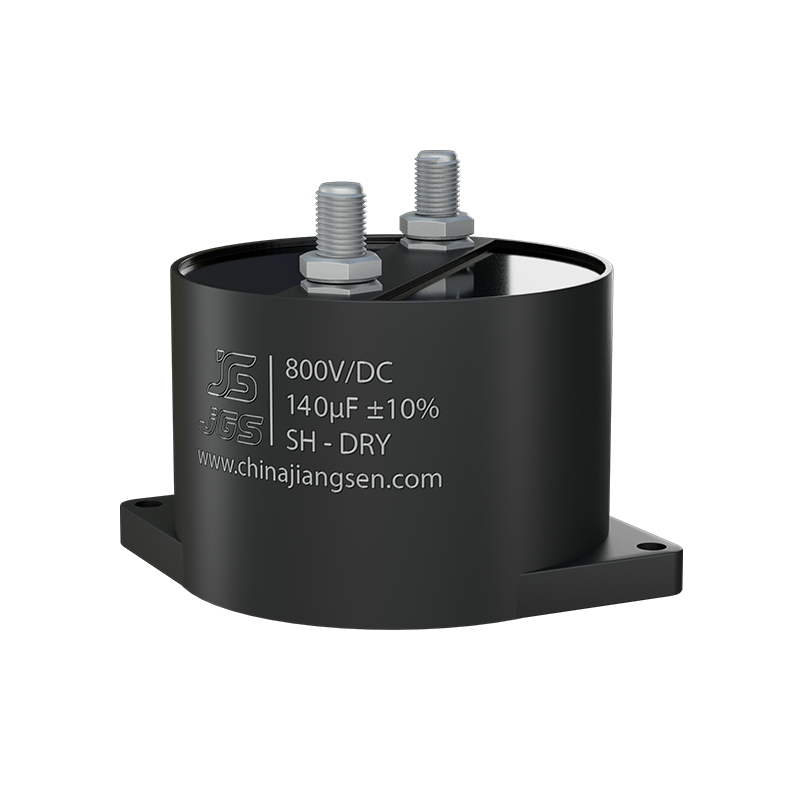
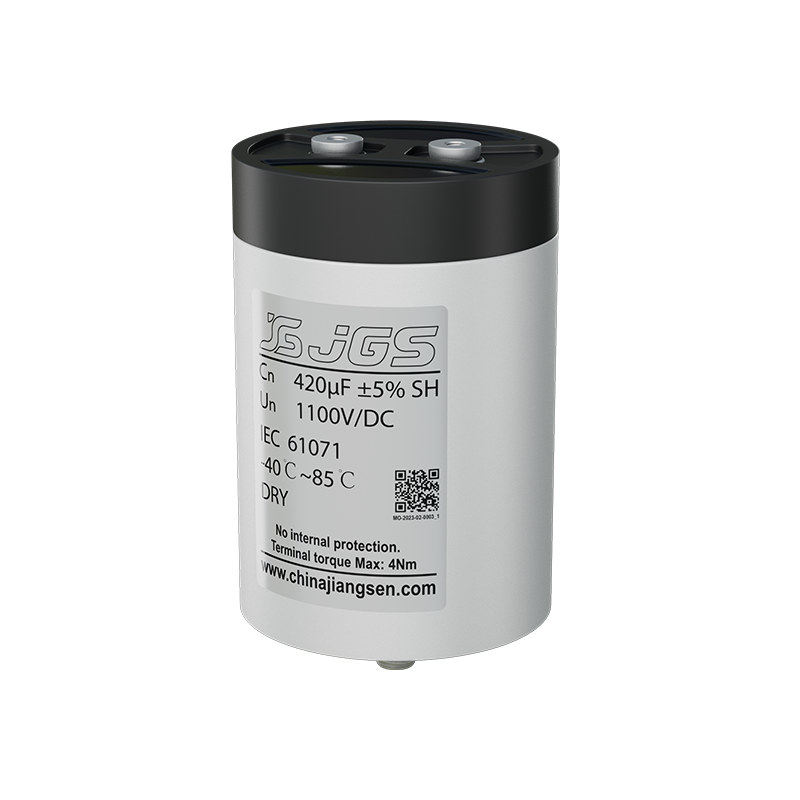
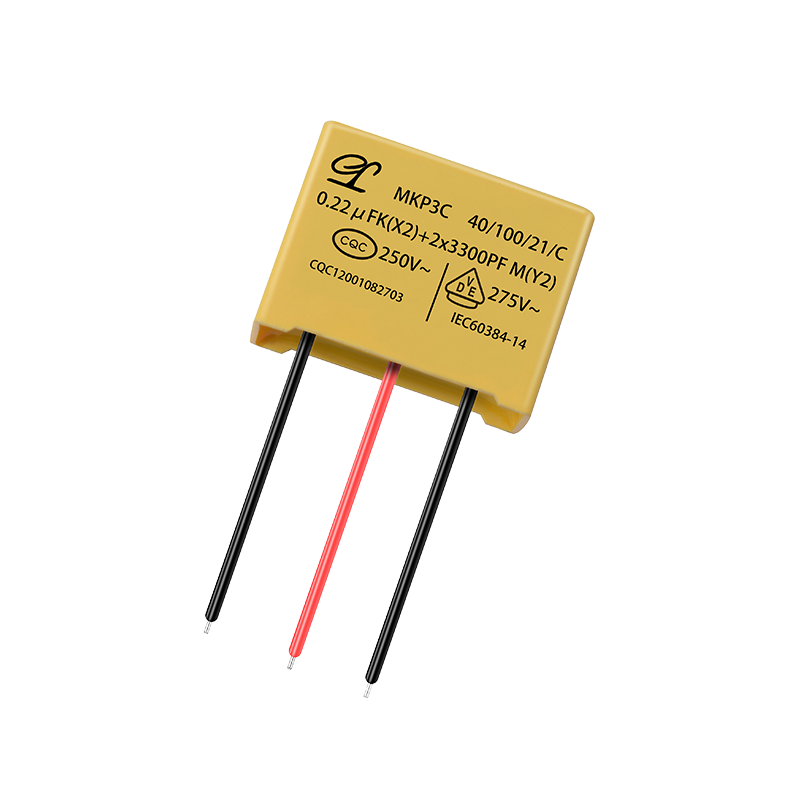
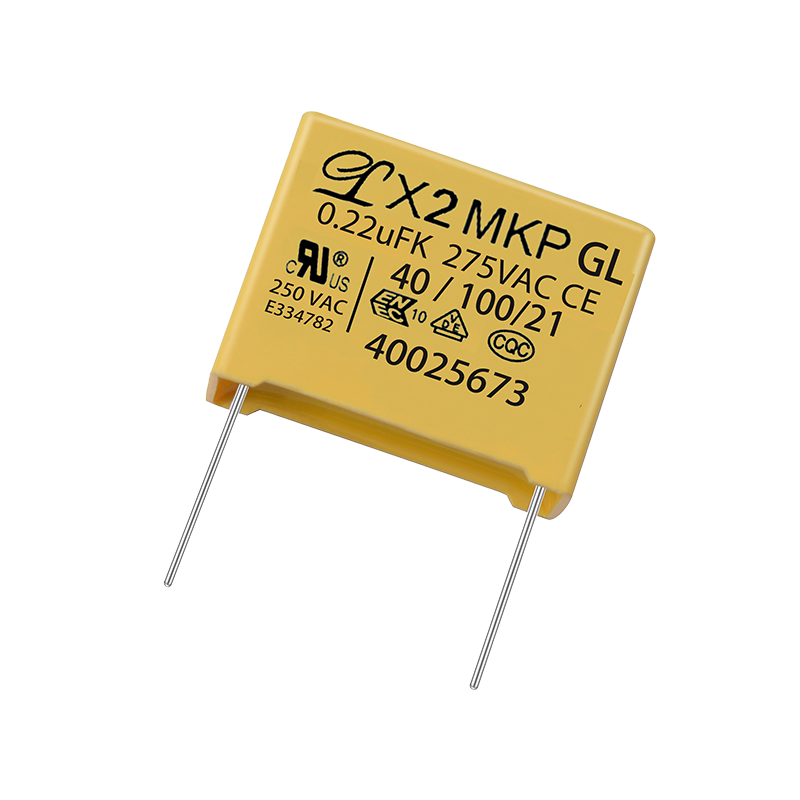
Metalize elektrolitik kapasitörler yüksek güvenilirlik, kompakt boyut ve lokal elektrik arızalarına karşı güçlü direnç gerektiren elektronik sistemlerde yaygın olarak kullanılır. Dielektrik bozulma sırasında sıklıkla felaketle sonuçlanan geleneksel ıslak alüminyum elektrolitik kapasitörlerin aksine, metalize versiyonlar benzersiz bir özellik içerir. kendi kendini iyileştirme mekanizması Bu, hasarlı bölgeleri izole eder ve dielektrik bütünlüğü neredeyse anında geri kazandırır. Bu özellik, stabilite ve alan verimliliğinin kritik olduğu modern güç kaynağı tasarımını, filtrelemeyi ve enerji depolama uygulamalarını önemli ölçüde etkiler.
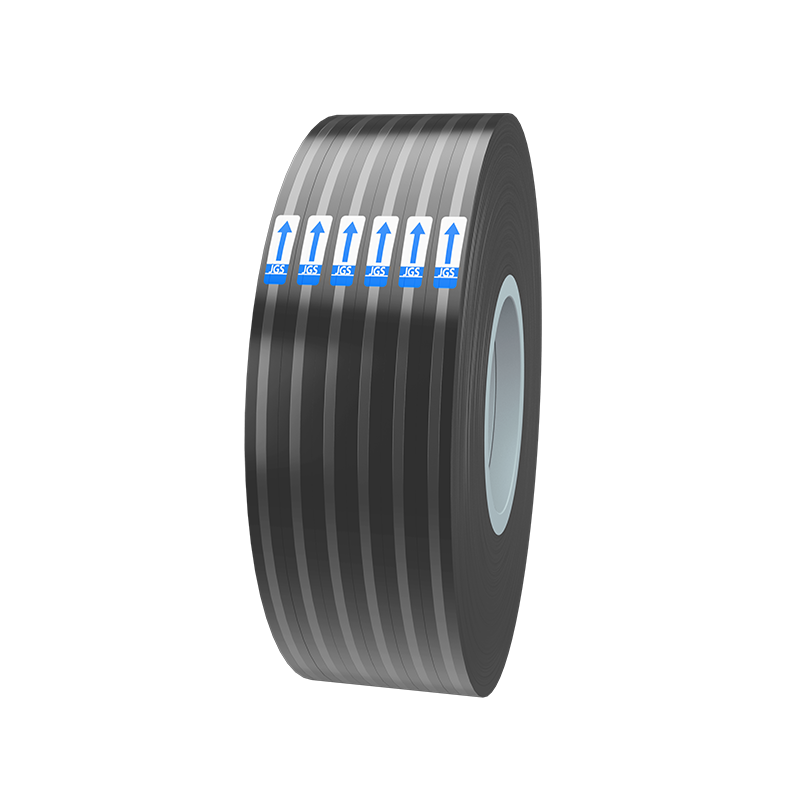
Metalize elektrolitik kapasitörler iç yapılarında geleneksel tasarımlardan farklıdır. İki kalın alüminyum folyo kullanmak yerine vakumla biriktirilmiş ultra ince metal katman (tipik olarak alüminyum veya çinko) polyester veya polipropilen gibi bir dielektrik film üzerine doğrudan uygulanır.
Bu metalize katman katot görevi görürken, ayrı bir iletken yapı anot görevi görür. Elektrolit, ince metal katman boyunca düzgün elektrik teması sağlayarak eşdeğer seri direnci (ESR) azaltır. Elektrotun son derece ince olması nedeniyle kapasitans yoğunluğu önemli ölçüde artırılarak kompakt paketlemeye olanak sağlanır.
Dielektrik bir arıza meydana geldiğinde, yalıtım katmanındaki zayıf bir noktada bir elektrik arkı oluşur. Geleneksel kapasitörlerde bu, kalıcı bir kısa devreye yol açar. Ancak metalize elektrolitik kapasitörlerde davranış temelde farklıdır.
Arktan gelen enerji anında ince metal tabakayı buharlaştırır fayı çevreliyor. Bu hızlı buharlaşma iletken malzemeyi ortadan kaldırır ve mikroskobik yalıtımlı bir bölge oluşturur. İşlem mikrosaniyeler içinde gerçekleşir ve arızayı etkili bir şekilde izole eder ve yalnızca ihmal edilebilir bir kapasitans kaybıyla çalışmayı geri yükler.
Sonuç olarak, kapasitör ciddi arızaları önler ve çalışmaya devam eder; bu da onu voltaj yükselmeleri ve geçici bozulmaların olduğu ortamlar için son derece uygun hale getirir.
Metalize katman son derece ince olduğundan bu kapasitörler, folyo bazlı tasarımlarla karşılaştırıldığında birim hacim başına çok daha yüksek kapasiteye ulaşır. Bu, kompakt güç kaynağı ve enerji depolama sistemlerine olanak tanır.
Birçok metalize tasarım, AC çalışmasına ve ters voltaj geçişlerine karşı gelişmiş tolerans sergiler. Bu, onları polarite stresinin meydana gelebileceği filtreleme ve birleştirme uygulamaları için uygun hale getirir.
Arıza durumunda havalanabilecek veya patlayabilecek ıslak elektrolitik kapasitörlerin aksine, metalize kapasitörler genellikle bir arıza durumunda arızalanır. açık devre modu . Büyük elektrolit hacimlerinin bulunmaması aynı zamanda sızıntı ve basınca bağlı kopma riskini de azaltır.
Her kendi kendini iyileştirme olayı, elektrot malzemesinin küçük bir kısmını ortadan kaldırır. Zamanla tekrarlanan mikro arızalar, özellikle yüksek stresli ortamlarda kademeli kapasitans azalmasına yol açabilir.
Vakumlu metalizasyon işlemi hassas üretim ekipmanı gerektirir ve geleneksel elektrolitik kapasitörlere kıyasla üretim maliyetlerini artırır.
Ultra ince metal katman, katı folyolardan daha yüksek dirence sahiptir, bu da tepe akım taşıma kapasitesini sınırlandırır ve bazı uygulamalarda ESR'yi artırır.
Toplu enerji depolama ve çıkış filtreleme için kullanılır, kompakt ve verimli güç dönüştürme sistemleri sağlar.
İnvertör ve değişken frekanslı sürücü sistemlerinde anahtarlama geçişlerine ve voltaj yükselmelerine karşı dayanıklılık sağlayın.
Yüksek sıcaklıkta, sürekli çalışma ortamlarında uzun çalışma ömrünü destekleyin.
Yüksek güvenilirlik gerektiren DC-DC dönüştürücülerde, bilgi-eğlence sistemlerinde ve güç dağıtım modüllerinde kullanılır.
Bakım erişiminin sınırlı olduğu güneş ve rüzgar sistemlerinde uzun vadeli çalışmayı destekleyin.
Polipropilen düşük kayıplar ve yüksek frekans performansı sunarken, polyester daha yüksek kapasitans yoğunluğu ancak artan kayıplar sağlar. Kağıt bazlı hibritler ayrıca spesifik elektrolitik yapılarda da kullanılabilir.
Tekdüze metalleştirme, kapasitansı en üst düzeye çıkarırken, bölümlü metalleştirme, kendi kendini iyileştirme olayları sırasında hasarı sınırlar. Ağır kenarlı metalizasyon, sonlandırma noktalarında elektriksel temas güvenilirliğini artırır.
| Özellik | Metalize Elektrolitik | Standart Islak Elektrolitik | Kuru Film Kapasitör |
| Kendini İyileştirme Yeteneği | Evet | Hayır | Evet |
| Tipik Arıza Modu | Kademeli kapasitans kaybı | Kısa devre/havalandırma | Açık devre |
| Hacimsel Verimlilik | Yüksek | Çok yüksek | Düşük |
| Sıvı Elektrolit | Bazen (hibrit) | Evet | Hayır |
| Polarite Hassasiyeti | Düşük / Non-polarized | Kesinlikle polarize | Hayırn-polarized |
| İdeal Kullanım Durumu | SMPS, motor sürücüleri | Toplu enerji depolama | Yüksek-frequency resonance |
Kendi kendini iyileştirme mekanizmasına aşırı güvenmeyi önlemek için uygun voltaj azalması önemlidir. Arıza sınırlarına yakın sürekli çalışma, kapasitans bozulmasını hızlandırır.
Termal yönetim de kritik öneme sahiptir. Dalgalanma akımları dahili ısı üretir, bu nedenle yeterli PCB bakır alanı veya cebri hava akışı önerilir. Sızdırmazlık yapılarını korumak için aşırı lehimleme sıcaklıklarından da kaçınılmalıdır.
Nano ölçekli metalizasyondaki ilerlemeler, direnç üzerindeki kontrolü ve arıza tepki davranışını geliştiriyor. Yeni polimer dielektrikler operasyonel sıcaklık sınırlarını genişletirken, hibrit elektrolit sistemleri de yüksek frekanslı anahtarlama altında performansı artırıyor.
SiC ve GaN gibi geniş bant aralıklı yarı iletkenler anahtarlama hızlarını artırdıkça, yeni nesil metalize elektrolitik kapasitörler çoklu megahertz operasyon için optimize ediliyor ve yüksek yoğunluklu güç elektroniğinde sürekli alaka sağlanıyor.

© 2010-2024 www.chinajiangsen.com Her hakkı saklıdır.Özel Dc Link Güç Filmi Kondansatörleri Üreticileri Gizlilik Politikası
增值电信业务经营许可证 苏ICP备12026789号-1